Affichage des articles dont le libellé est HISTORY. Afficher tous les articles
Peta lies on a couch in a home rented by Pater Noster House, 1991. After the infamous ad ran, Benetton donated money to Pater Noster, some of which was used to furnish the house where Peta and other patients stayed.


1989 - The photo collection that changed the face of AIDS - Peta (Part 2)


1989 - The photo collection that changed the face of AIDS - Peta (Part 2)


1989 - The photo collection that changed the face of AIDS - Peta (Part 2)


1989 - The photo collection that changed the face of AIDS - Peta (Part 2)


1989 - The photo collection that changed the face of AIDS - Peta (Part 2)


1989 - The photo collection that changed the face of AIDS - Peta (Part 2)


1989 - The photo collection that changed the face of AIDS - Peta (Part 2)


1989 - The photo collection that changed the face of AIDS - Peta (Part 2)


1989 - The photo collection that changed the face of AIDS - Peta (Part 2)


1989 - The photo collection that changed the face of AIDS - Peta (Part 2)


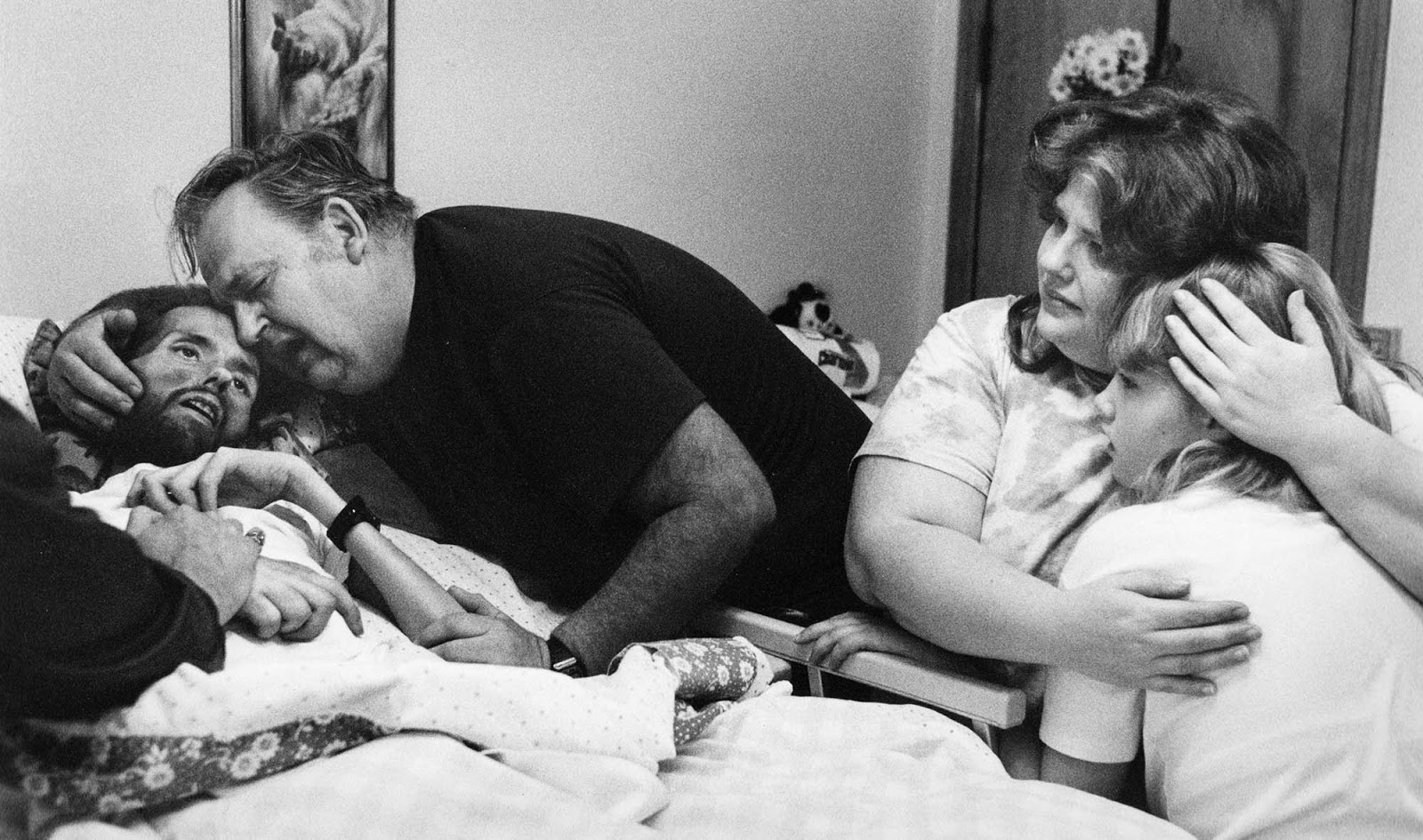
Following the LIFE publication, the Kirby family allowed the clothing company United Colors of Benetton to use the image in an 1992 advertising campaign, feeling that its story would reach a worldwide audience. 

Photo credit: Therese Frare / LIFE Magazine

A father comforts his son, David Kirby, on his deathbed in Ohio, 1989. Widely considered the photo that changed the face of AIDS.


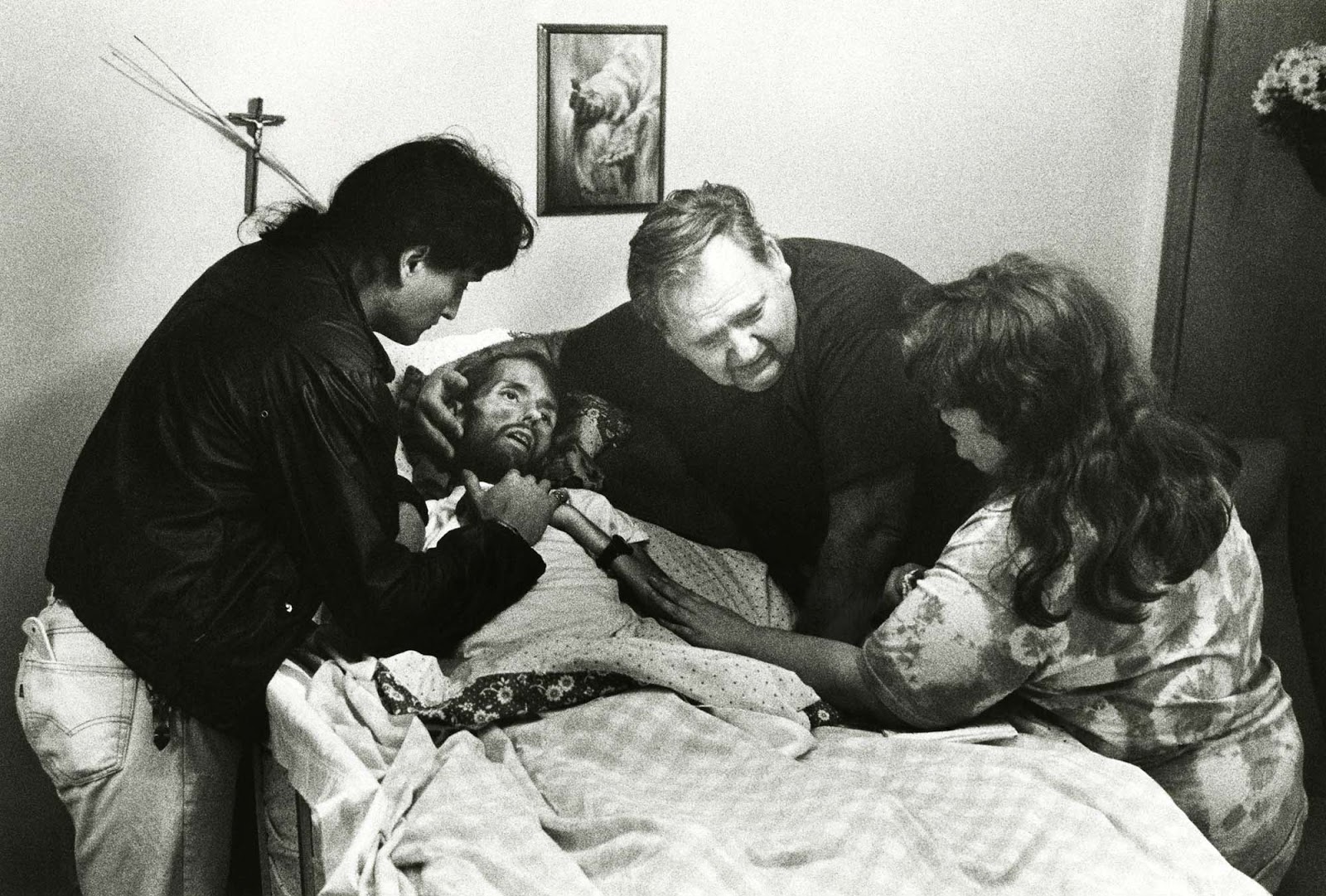
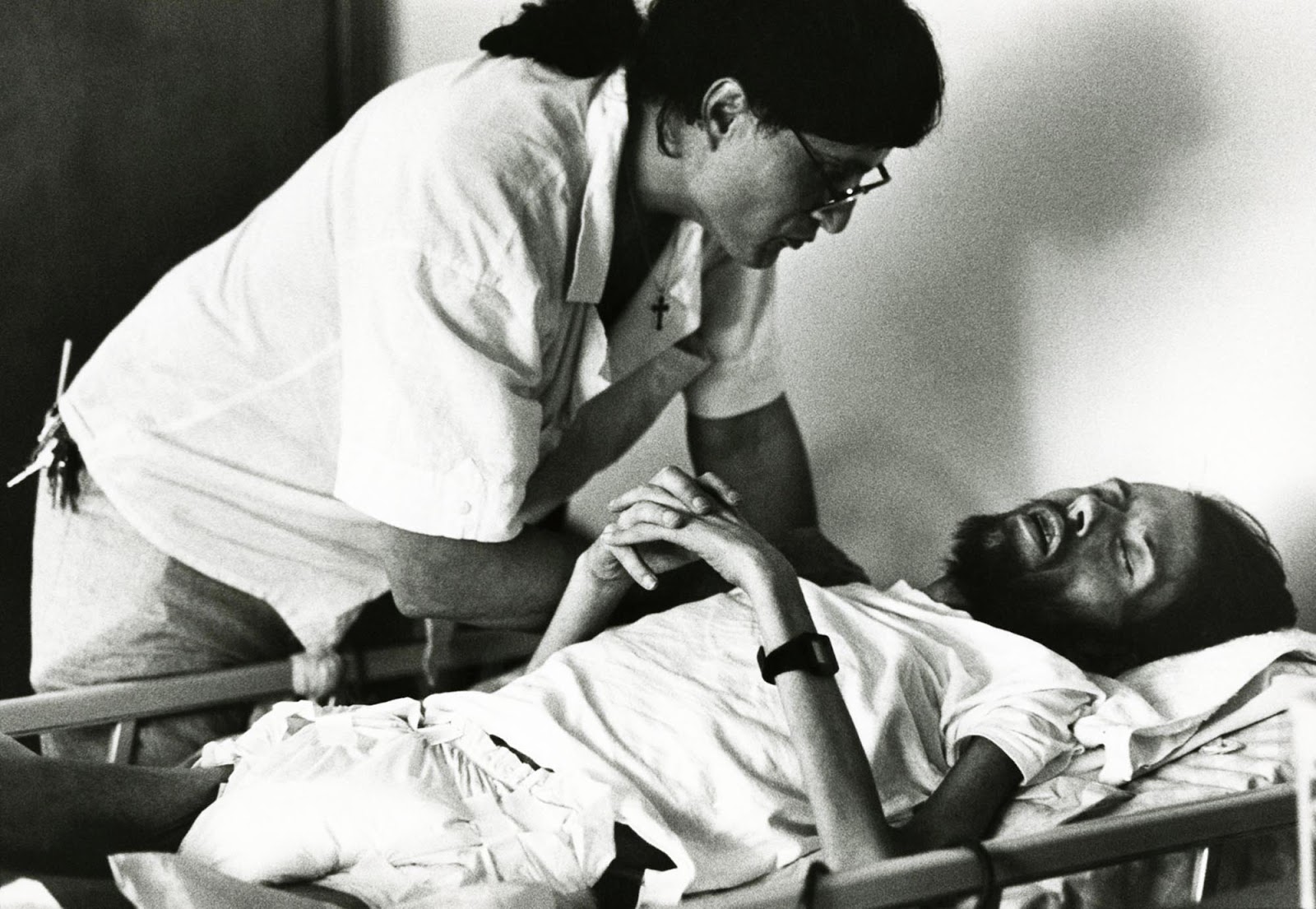
After a three-year struggle against AIDS and its social stigmas, David Kirby could fight no longer.


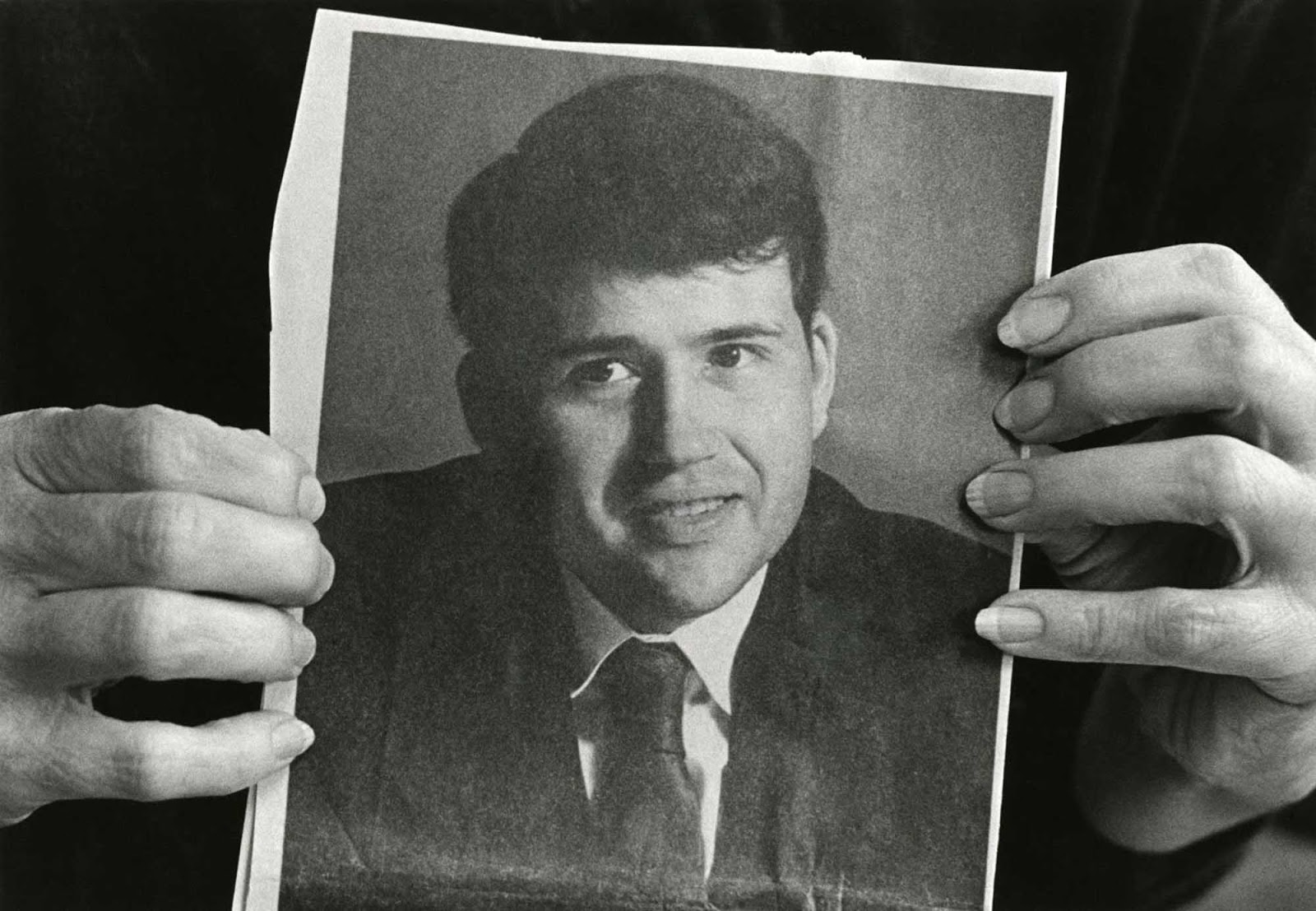
His sister shows a picture of young David Kirby.


David Kirby died in April 1990, only 32 years old, seven months before the photo was published.


A nurse at Pater Noster House in Ohio holds David Kirby's hands not long before he died, spring 1990.


David Kirby, Ohio, 1990.
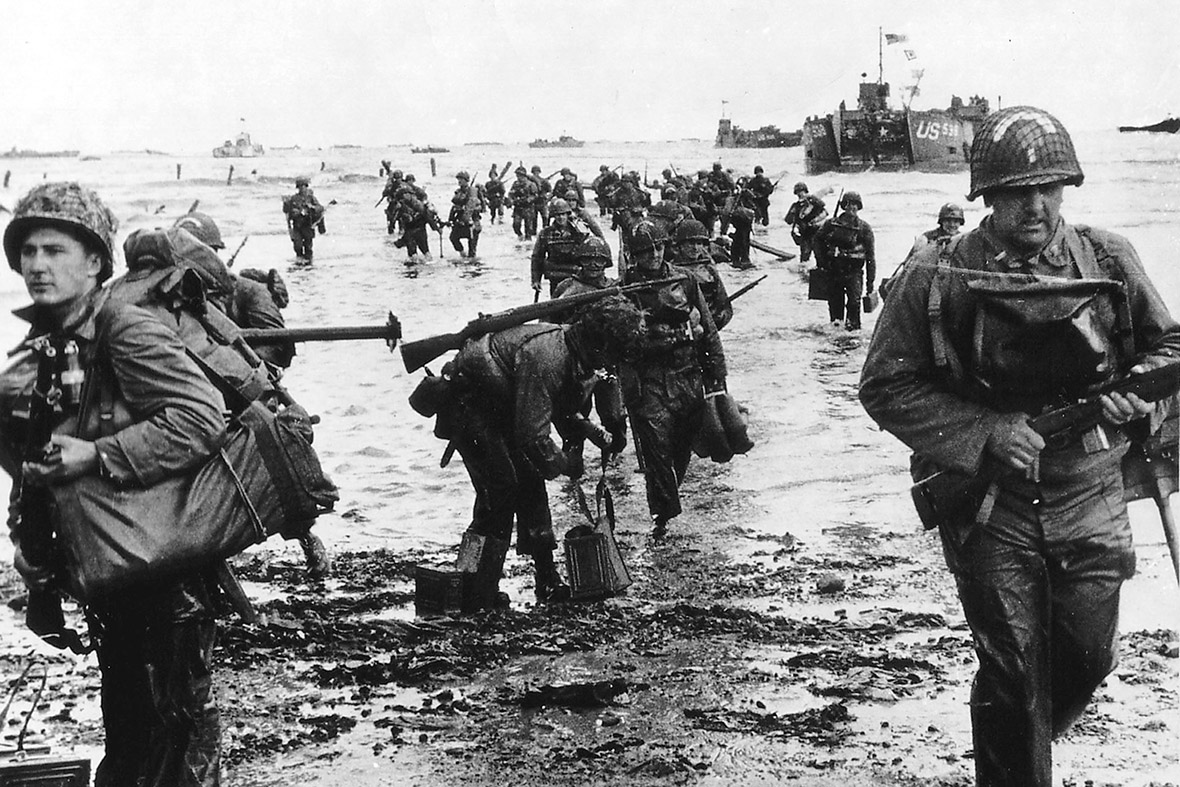
Normandie photos Summer 1944 and now

Normandie photos Summer 1944 and now

Normandie photos Summer 1944 and now

Normandie photos Summer 1944 and now

Normandie photos Summer 1944 and now

Normandie photos Summer 1944 and now

Normandie photos Summer 1944 and now

Normandie photos Summer 1944 and now

Normandie photos Summer 1944 and now

Normandie photos Summer 1944 and now

Normandie photos Summer 1944 and now

Normandie photos Summer 1944 and now

Normandie photos Summer 1944 and now

Normandie photos Summer 1944 and now

Normandie photos Summer 1944 and now

Normandie photos Summer 1944 and now

Normandie photos Summer 1944 and now

Normandie photos Summer 1944 and now

Normandie photos Summer 1944 and now

Normandie photos Summer 1944 and now

Normandie photos Summer 1944 and now

Normandie photos Summer 1944 and now


Normandie photos Summer 1944 and now

Normandie photos Summer 1944 and now

Normandie photos Summer 1944 and now

Normandie photos Summer 1944 and now

Normandie photos Summer 1944 and now

Normandie photos Summer 1944 and now

Normandie photos Summer 1944 and now

Normandie photos Summer 1944 and now


Hitler rehearsing his public speech in front of a mirror.


The photos, taken by his personal photographer Heinrich Hoffmann, were apparently intended to give the Führer an insight into how he looked to the German public.


This photos aided Hitler’s self-analysis and improved his hold over an audience.


Nazis did not wanted these photos to be published.


They were published photographer’s memoir “Hitler was my friend”, which came out in 1955.


They offer a rare insight into his vanity and controlling personality.


He was concerned about how he looked and his public persona.


“He had that ability which is needed to make people stop thinking critically and just emote.”


The Nazi leader banned them from being published for being “beneath one’s dignity”.


The shots were taken shortly after his release from prison in 1925.


Adolf Hitler didn’t want anyone to see these photos so he ordered his photographer to destroy them.


He used them to practice the most charismatic postures.


The vetoed pictures were reportedly stored in Hoffmann’s studio until his arrest at the end of the war and disappeared into various archives.


Hoffmann introduced Hitler to his then-studio assistant Eva Braun.